

How do microbes communicate with the host?
Gut bacteria transform components of our diet and molecules produced by the host, generating metabolites that can interact with human cells and affect their function.
We identify these metabolites, determine which bacteria and metabolic pathways produce them, and investigate how they are sensed by the host and affect physiology.
To do this, we combine metagenomics and metabolomics with bacterial genetics, enzyme biochemistry, anaerobic cultivation, bioreactors, organoids, and germ-free animal models. These approaches allow us to link microbial genes and enzymes to specific metabolites and their effects on host signalling.
Importantly, microbial functions are not always linked to individual bacterial species. Different bacteria can perform similar metabolic reactions, and metabolic pathways can be distributed across several species. We therefore study what microbial communities do, rather than focusing only on which microbes are present.
Our goal is to identify the molecular mechanisms that connect microbial metabolism to human physiology and determine how these mechanisms can be used to develop biomarkers and new therapeutic strategies.
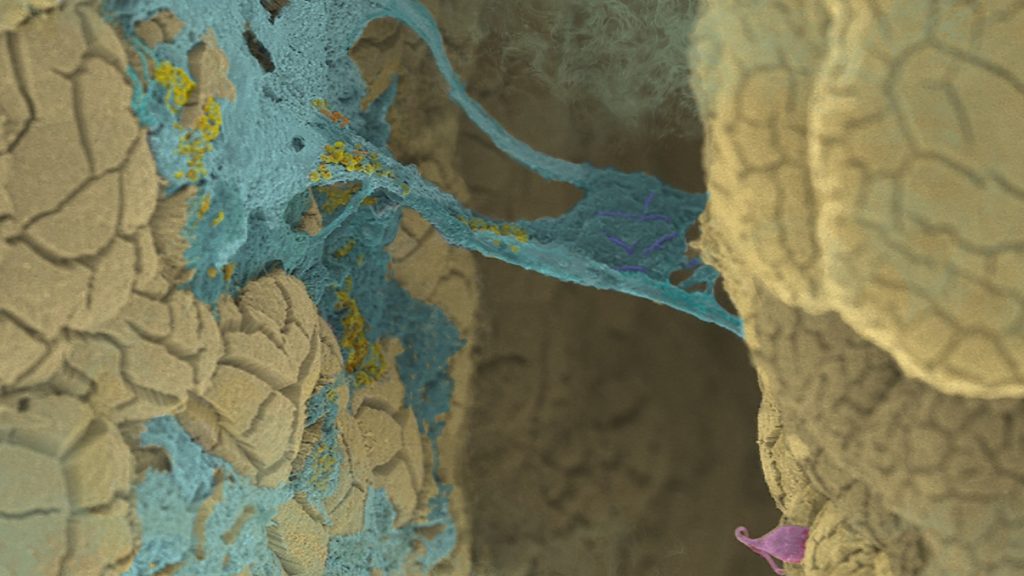
We investigate what makes gut microbiota stable and resilient—and how it contributes to our health