Deciphering the molecular dialogue between microbes and humans
The human intestine is home to trillions of microorganisms that together contain far more genes than the human genome. Rather than acting as passive passengers, these microbial communities form a dynamic ecosystem that has co-evolved with us over millions of years and is fundamental to human biology.
The gut microbiota influences immune development, nutrient processing, intestinal function, and metabolism throughout life. Yet despite its importance, we still know remarkably little about the mechanisms through which this ecosystem communicates with the human body.
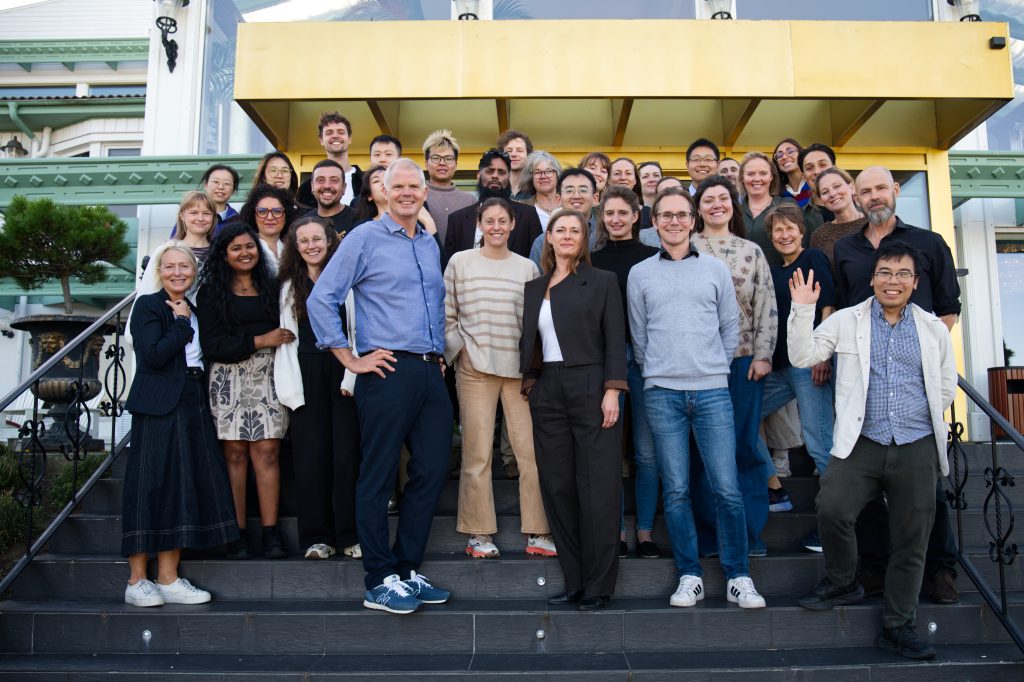
Our group investigate how communication between the gut microbiota and the host shapes human physiology, metabolism, and disease, with a particular focus on cardiometabolic health.
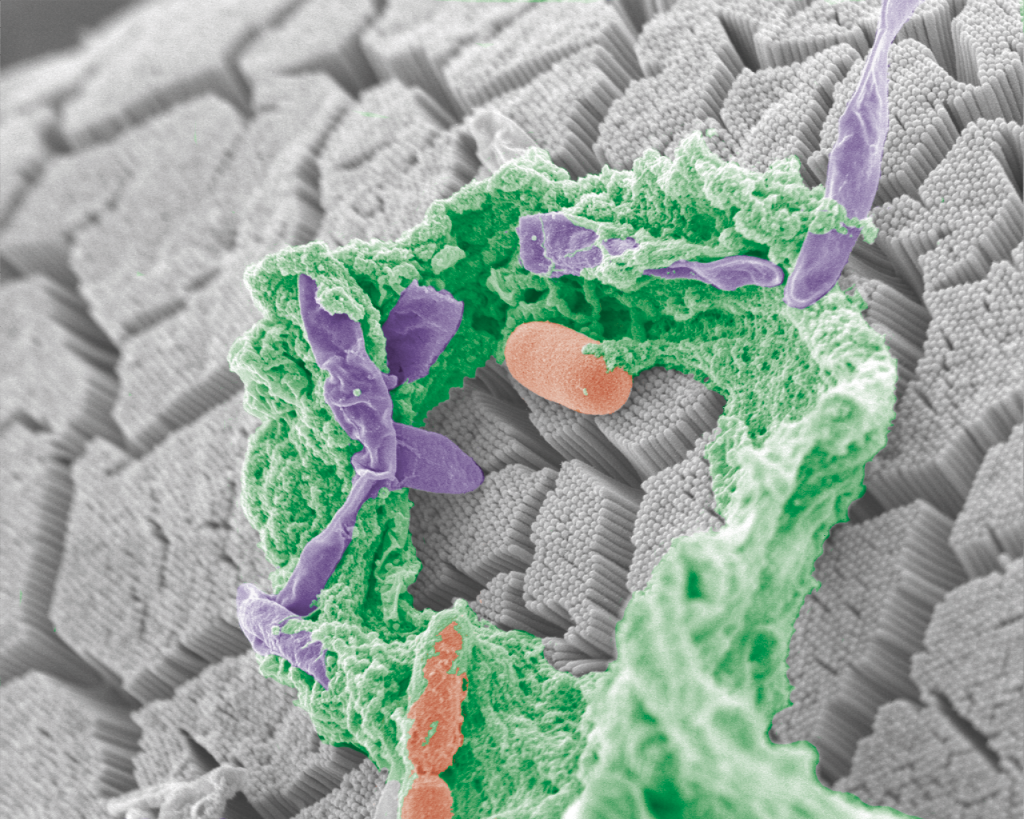
The human intestinal tract is home to trillions of microbes representing thousands of species that have co-evolved with us. Together, this complex ecosystem—the gut microbiota—plays a fundamental role in human biology, influencing immunity, nutrition, metabolism, and the production of bioactive molecules. Our research seeks to decipher the molecular dialogue between microbes and their host, revealing how microbial signals shape human physiology in health and disease.
Microbes and humans communicate through metabolites.
Microorganisms in the gut continuously produce and modify thousands of metabolites—small molecules generated through metabolism. These molecules can interact with the host locally in the intestine or enter the circulation and influence organs throughout the body. By deciphering this molecular dialogue, we seek to understand what defines a healthy microbiota, uncover mechanisms that contribute to disease, and identify new opportunities for prevention and treatment.
Our research spans the entire translational continuum—from microbial ecology and bacterial physiology to molecular mechanisms, deeply phenotyped human cohorts, and clinical intervention studies. We integrate microbiology, metabolism, systems biology, and clinical medicine in a discovery pipeline in which fundamental biology informs clinical studies, while observations in patients generate new biological questions.
This approach allows us to move from ecosystems to mechanisms to patients—and back again.
Our research is organized around three interconnected scientific questions.
The gut microbiota is part of a complex molecular dialogue with the human body — one that can shape both health and disease. Our research seeks to understand this dialogue and translate new insights into better ways to diagnose, treat, and ultimately prevent cardiometabolic disease.
Three interconnected questions guide this work:
Our scientific mission
To understand the molecular dialogue between the gut microbiome and the host, and translate this knowledge into new strategies for improving human health.
We envision a future where mechanistic insights into host–microbe interactions enable microbiome-based diagnostics, prevention, and therapies that become an integral part of precision medicine.
Our long-term ambition is simple yet profound: to improve the life of one person through research from our laboratory.