Explore a selection of publications highlighting key research from the Bäckhed Lab. These studies represent significant contributions from the group across our research areas, from the gut microbiome and host metabolism to the molecular mechanisms underlying metabolic disease. For our complete publication record, visit Fredrik Bäckhed’s ORCID profile.
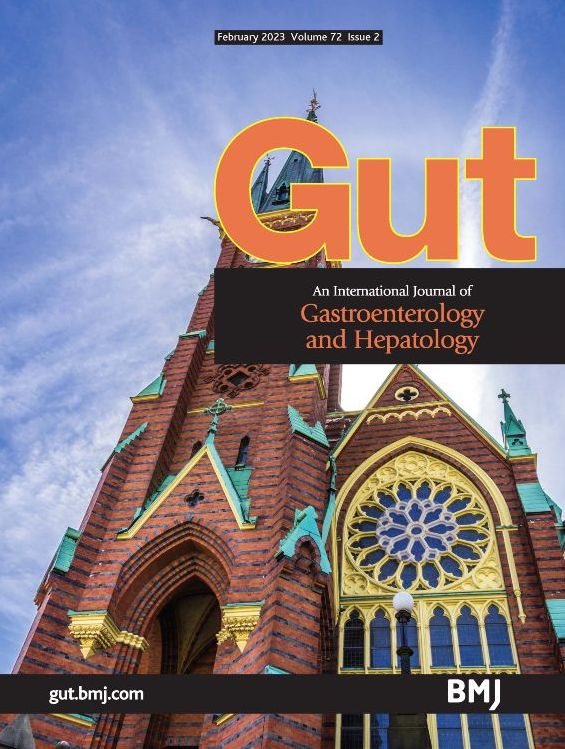
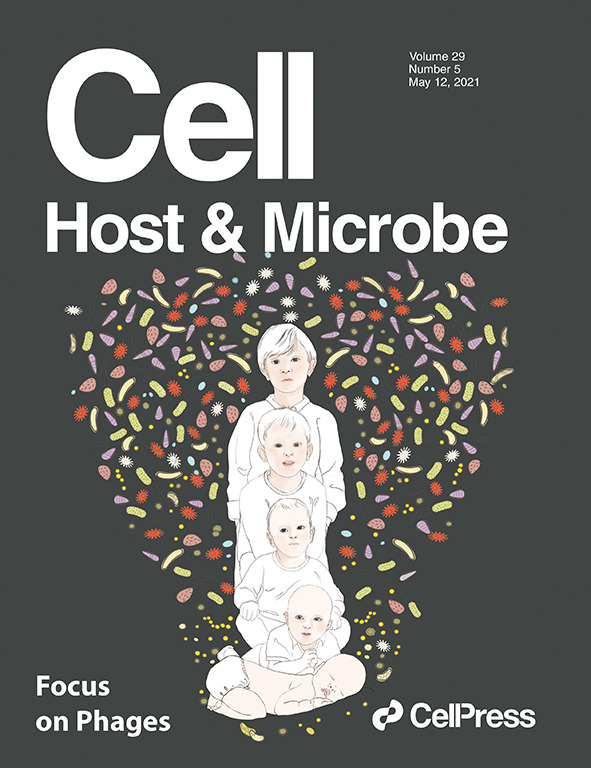
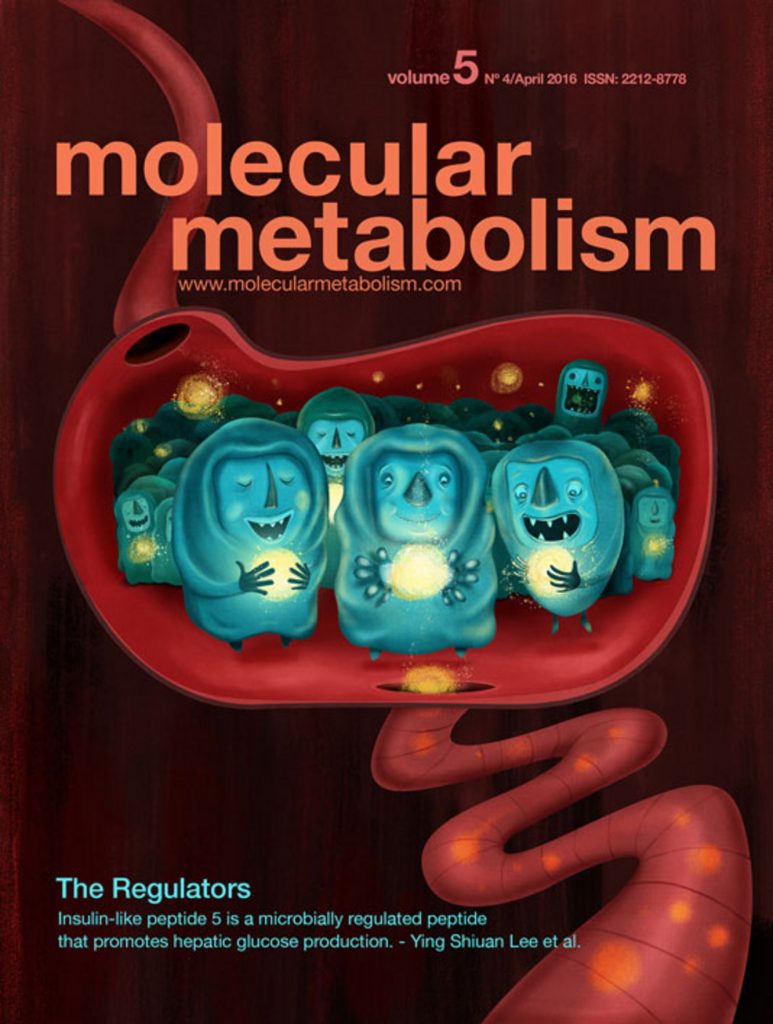
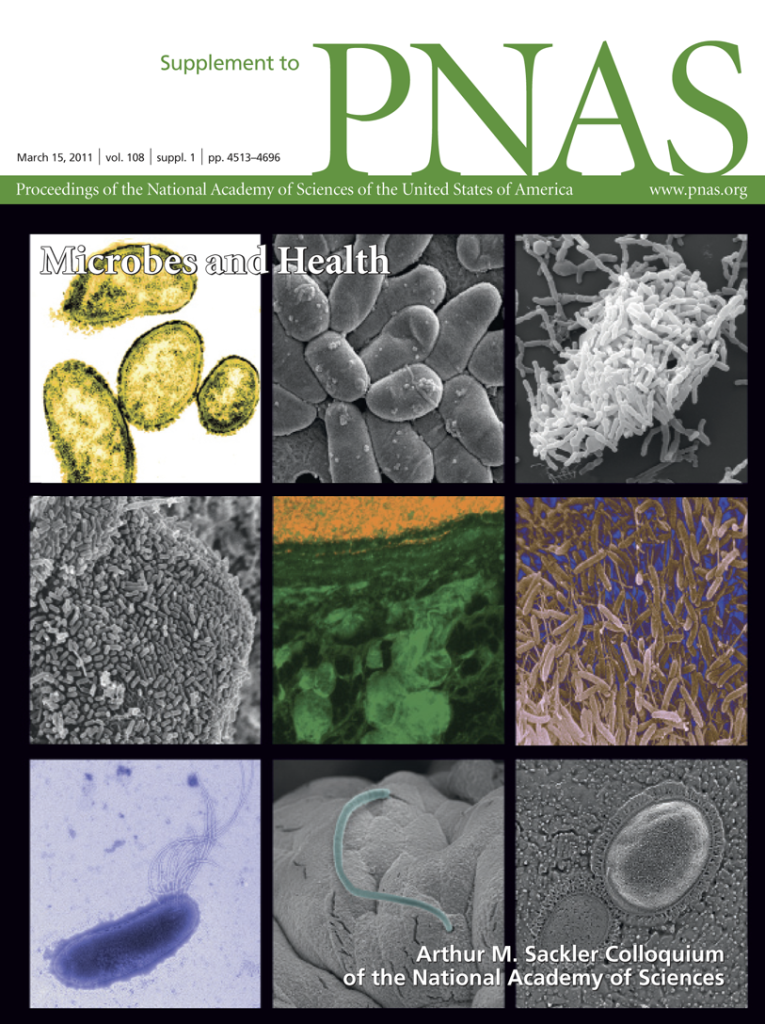
Over the years, research from the Bäckhed Lab has been featured on the covers of several scientific journals. Below is a selection of journal covers featuring work from the group.
A selection of research from the Bäckhed Lab
Explore a curated selection of research from the Bäckhed Lab, highlighting key publications and work that has been featured on the covers of scientific journals.
2026
Nature Metabolism
Gut microbiota responses to bariatric surgery are associated with metabolic outcomes and type 2 diabetes remission
Olsson, L.M., Heidi Borgeraas. H., Chakaroun, R.M., Hofsø, D., Hertel, J.K., Dwibedi, D., Mitteregger, M., Juul Holst, J., Tremaroli, V., Hjelmesæth J. & Bäckhed F.
Multi-omic definition of metabolic obesity through adipose tissue–microbiome interactions
Chakaroun, R.M., Pradhan, M., Björnson, E., Arvidsson, D., Fridolfsson, J., Gummesson, A., Schoeler, M., Mitteregger M., Smith, G.J., Larsson, I., Mats Börjesson, Blüher, M., Uhlén, M., Stumvoll, M., Bergström, G., Tremaroli, V. & Bäckhed F
Synergy and oxygen adaptation for development of next-generation probiotics
Khan MT, Dwibedi C, Sundh D, Pradhan M, Kraft JD, Caesar R, Tremaroli V, Lorentzon M, Bäckhed F.
We developed innovative technology to produce next-generation probiotics for human consumption from extremely oxygen sensitive human gut bacteria. In the article we describe the production of a formulation containing the anti-inflammatory Faecalibacterium prausnitzii, which is a dominant human gut bacterium, depleted in both inflammatory bowel diseases and metabolic diseases.
6α-hydroxylated bile acids mediate TGR5 signalling to improve glucose metabolism upon dietary fiber supplementation in mice.
Makki, K., Brolin, H., Petersen, N., Henricsson, M., Christensen, D.P., Khan, M.T., Wahlström, A., Bergh, P.O., Tremaroli, V., Schoonjans, K., Marschall, H.U. Bäckhed, F.
Here we unexpectedly demonstrated that in presence of dietary fiber the gut microbiota produces 6α-hydroxylated bile acids that improve glucose metabolism by activating TGR5/GLP-1 signaling. Illustrates our mechanistic/cell signaling work.
The gut microbiota in prediabetes and diabetes: a population-based cross-sectional study
Wu, H., Tremaroli, V., Schmidt, C., Lundqvist, A., Olsson, L.M., Krämer, M., Gummesson, A., Perkins, R.,Bergström, G., Bäckhed, F.
Largest study on diabetes and microbiome to date demonstrating that the microbiota is altered in pre-diabetes and type 2 diabetes independent of medication.
Microbe-produced imidazole propionate impairs insulin signaling via p38g/p62/mTORC1
Koh, A., Molinaro, A., Ståhlman, M., Khan, M.T., Schmidt, C., Mannerås-Holm, L., Wu, H., Carreras, A., Jeong, H., Olofsson, L., Bergh, P., Gerdes, V., Hartstra, A, de Brauw, D., Perkins, R., Nieuwdorp, M., Bergström, G., Bäckhed, F.
Identified imidazole propionate to be elevated in subjects with T2D as well as showing causality and identified the underlying signalling mechanism.