The human intestine is home to trillions of microorganisms that together form a vast ecosystem—the gut microbiota. This invisible organ is an integral part of human biology, influencing metabolism, immune function, and health throughout life.
Our group investigate the molecular dialogue between the gut microbiota and the human body, with a particular focus on cardiometabolic health. Central to our research is understanding how microbial metabolites connect the gut ecosystem with organs throughout the body.
By combining microbial ecology with mechanistic experiments and studies in humans, we seek to move from associations to causal mechanisms—and ultimately towards new strategies for preventing and treating cardiometabolic disease.
Our research is organized around three interconnected scientific questions.
What defines a healthy gut mirobiota?
How do microbe communicate with the host?
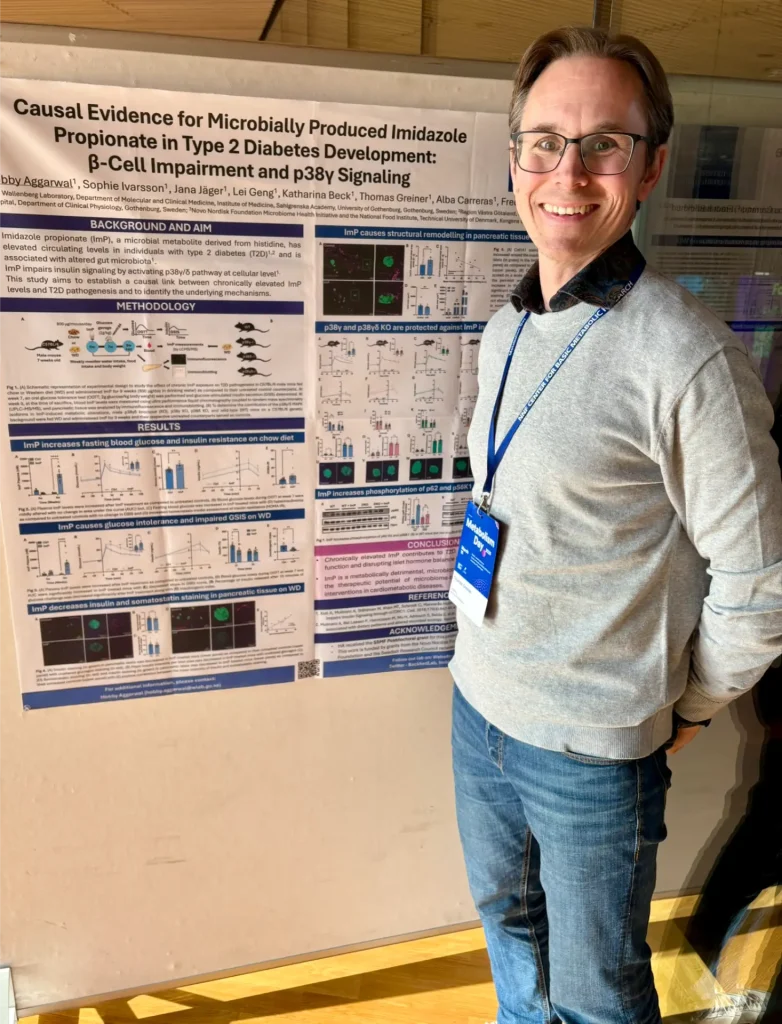
How does host-microbe communication influence cardiometabolic disease?
Understanding the complex interactions between microbes and humans requires scientists who think across traditional disciplinary boundaries.
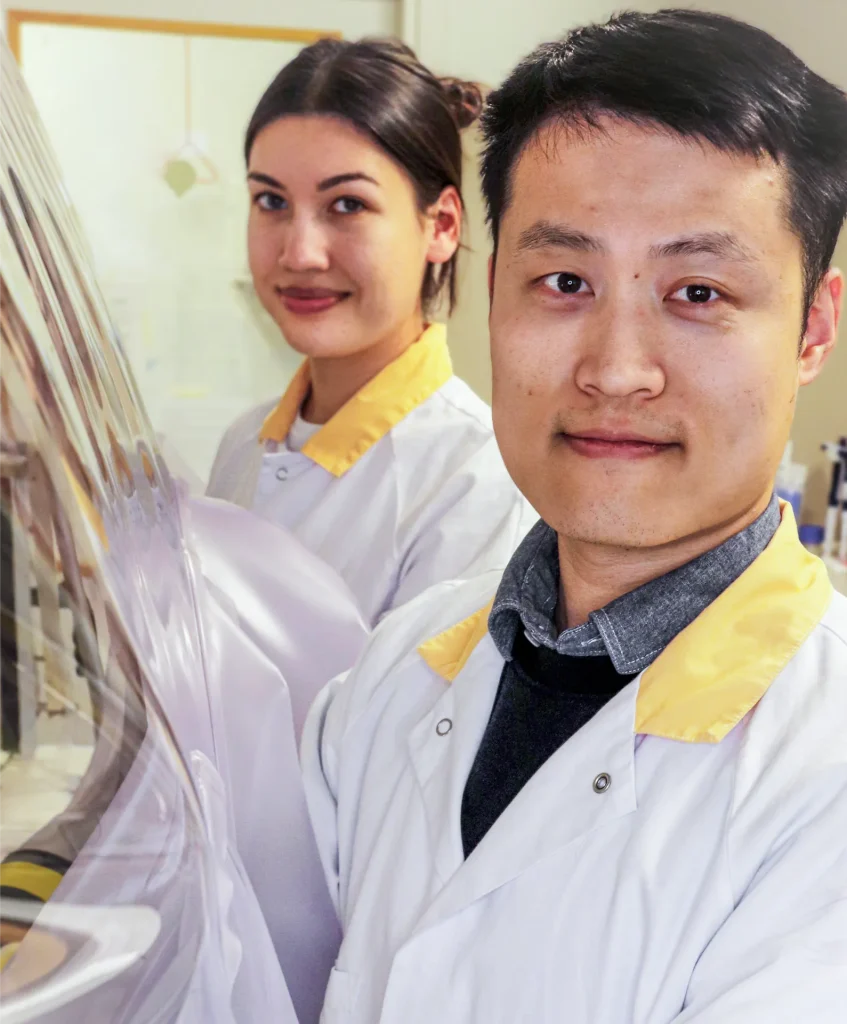
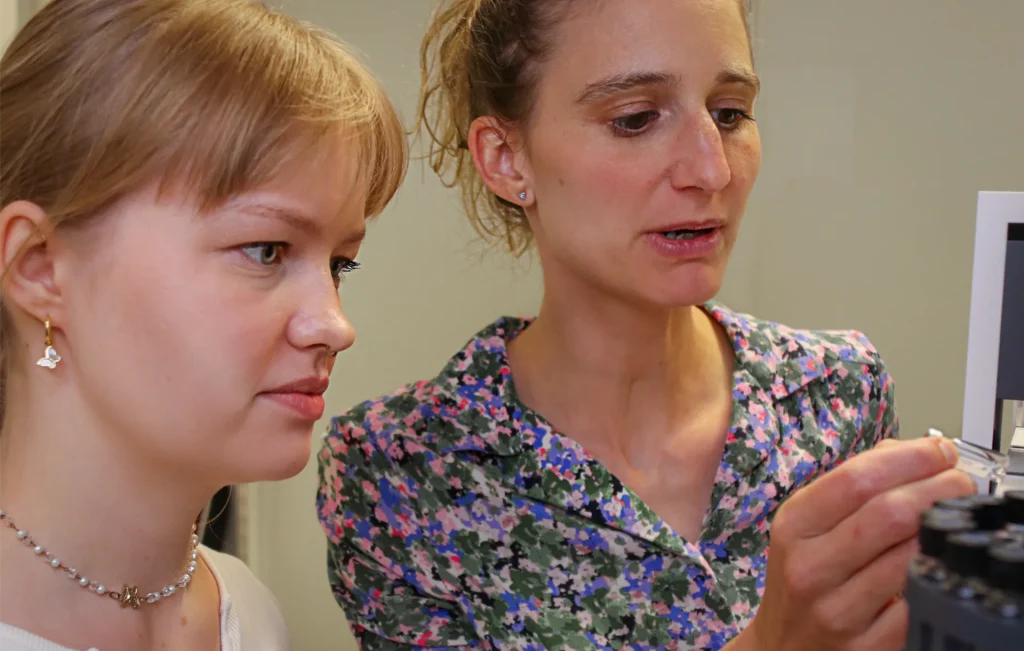
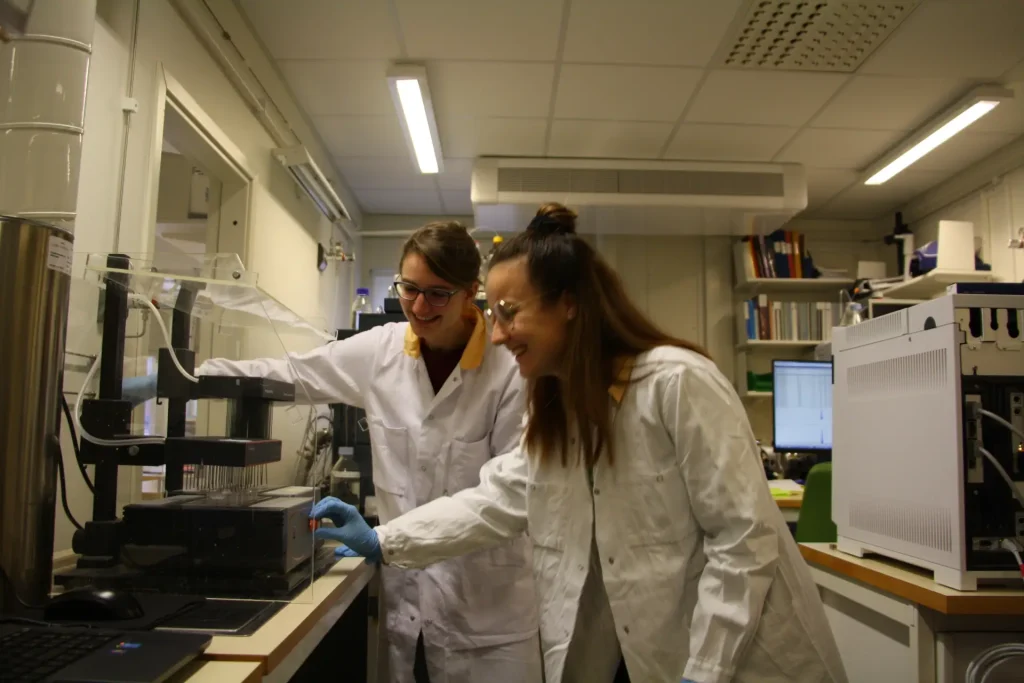
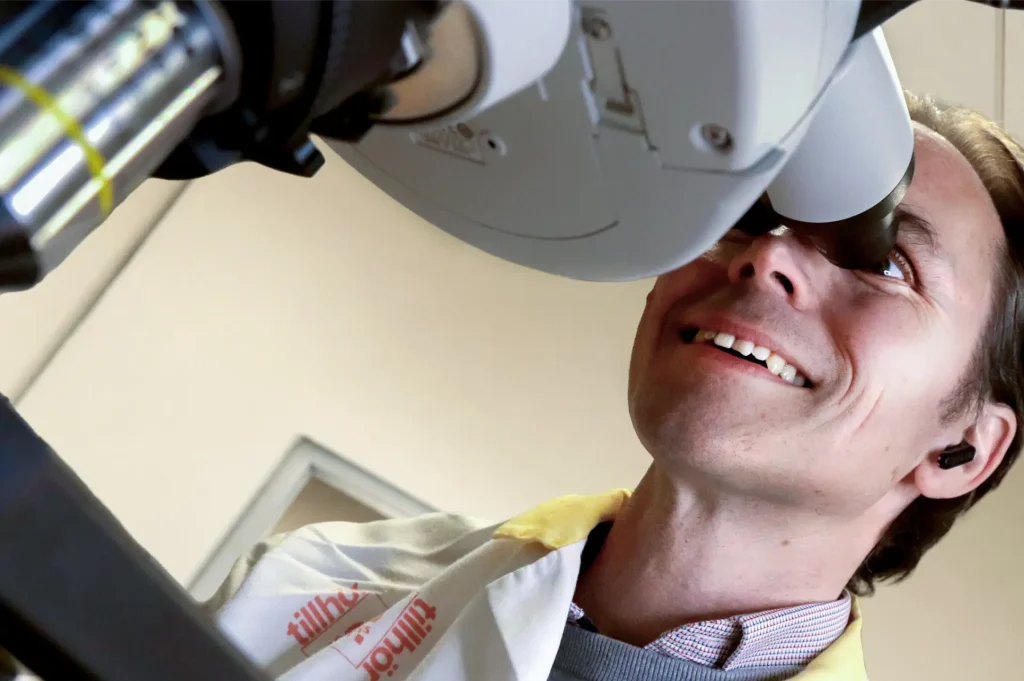
Our international team brings together complementary expertise in microbiology, molecular biology, biochemistry, metabolomics, proteomics, epigenetics, physiology, immunology, bioinformatics, and clinical medicine. This breadth allows us to follow scientific questions across biological scales—from bacterial genes and enzymes to metabolites, host signalling, physiology, and human disease.
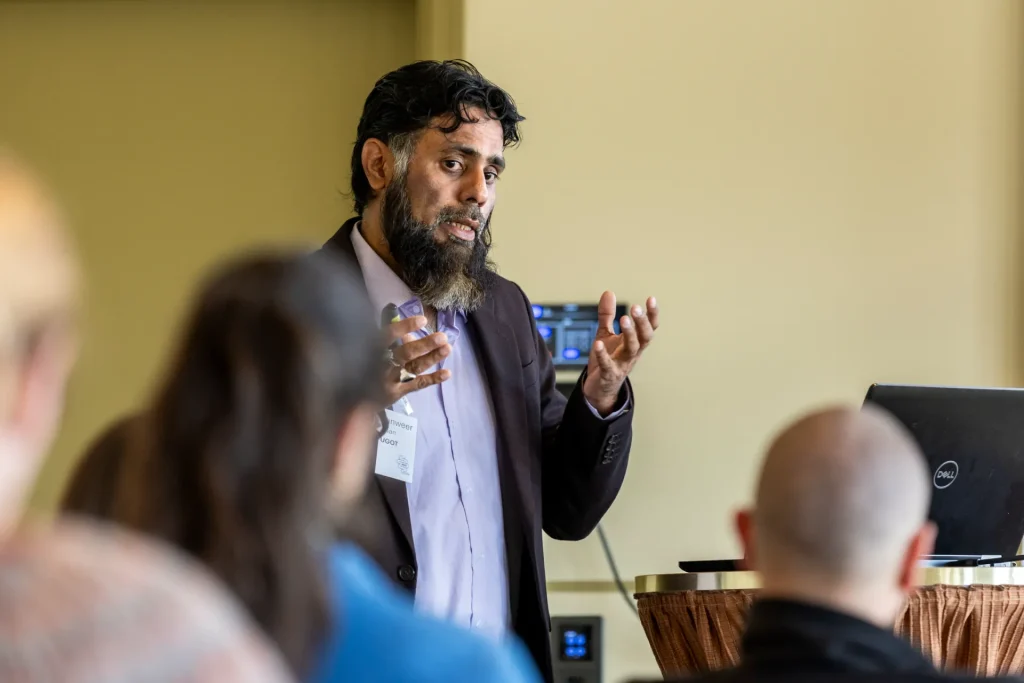
Just as importantly, we work as a collaborative team. By combining different perspectives, technologies, and scientific backgrounds, we can address questions that no single discipline can solve alone.
Our shared goal is to understand the biology of host–microbiota interactions and translate that knowledge into better human health.
Our research moves from ecosystems to mechanisms to patients—and back again.
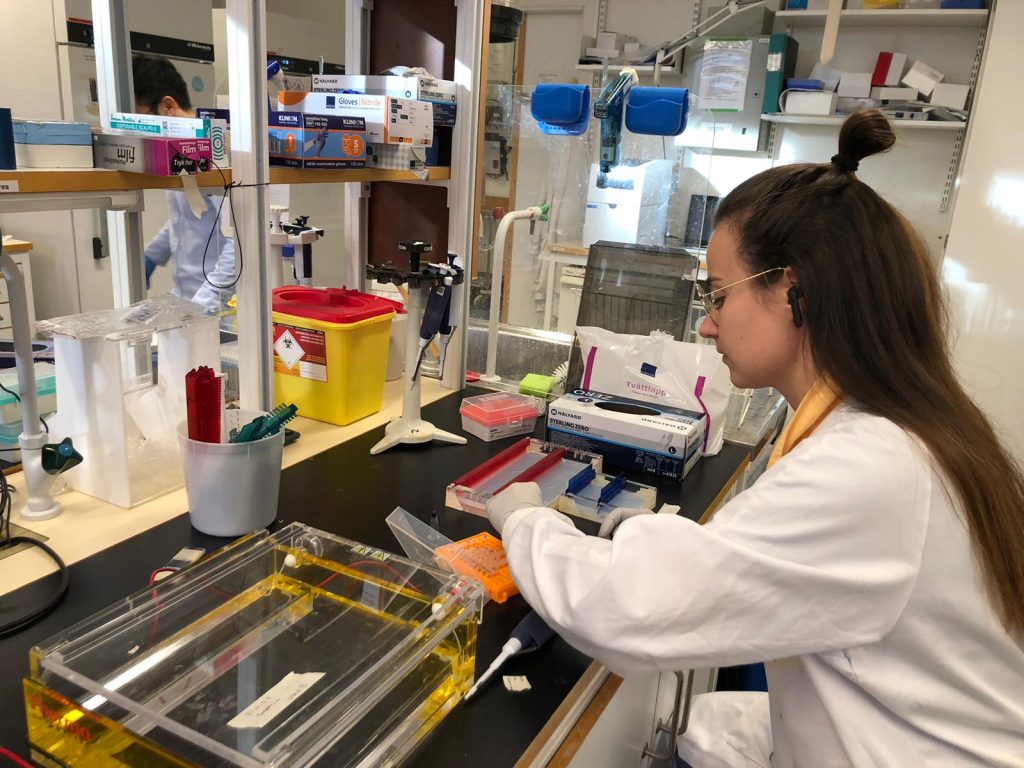
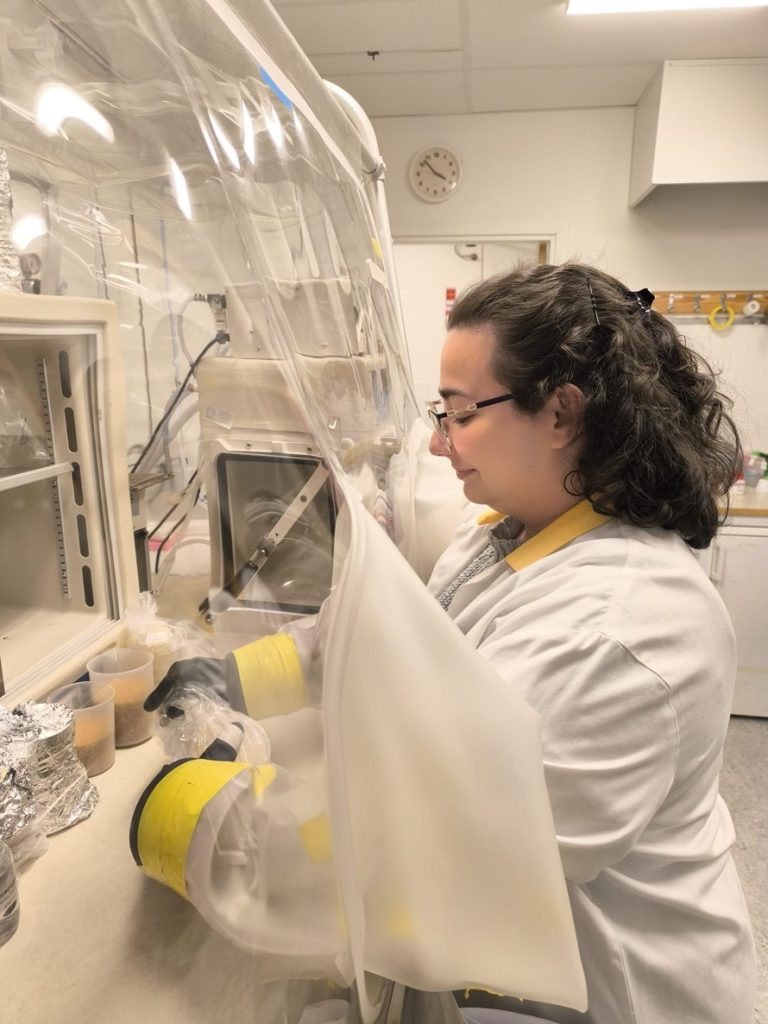
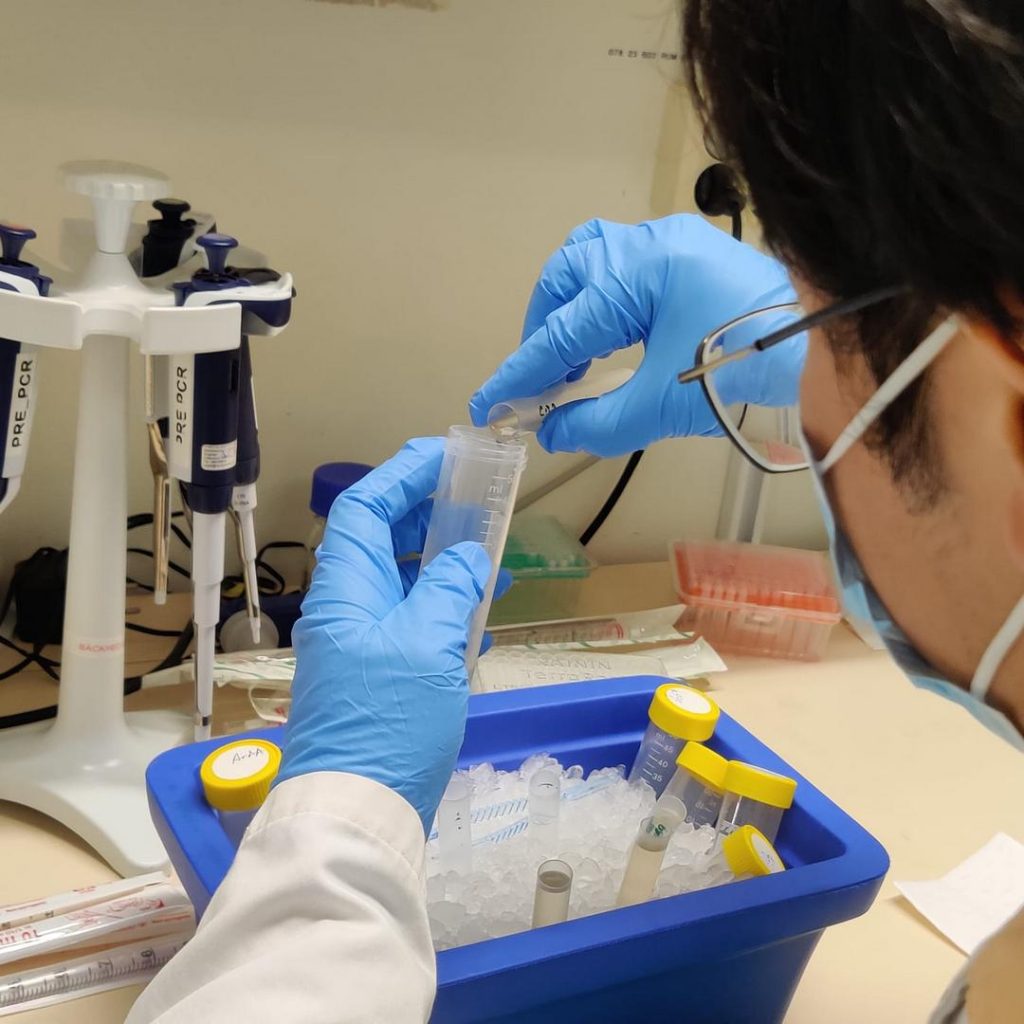
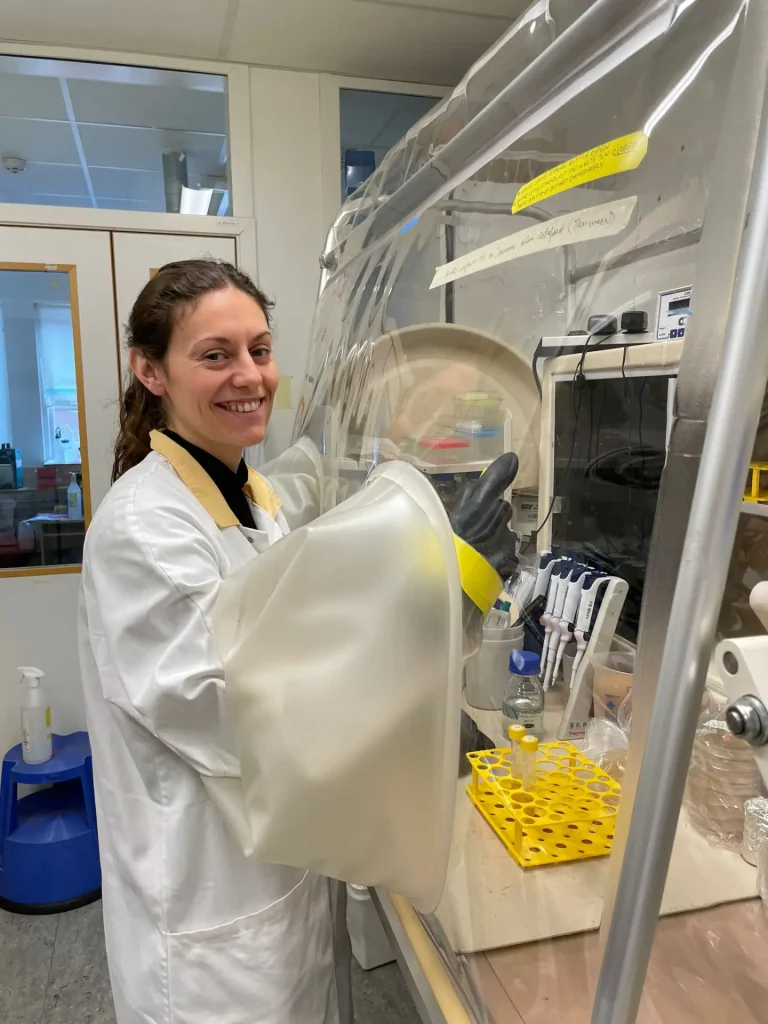
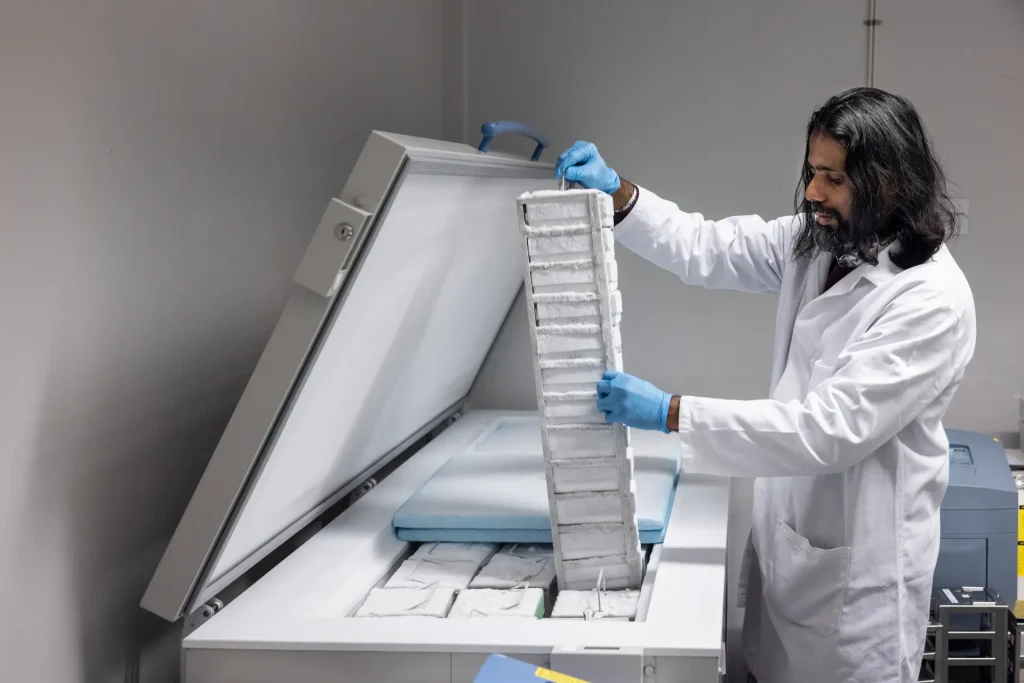
We combine microbial ecology and bacterial physiology with advanced experimental models, multi-omics, and deeply phenotyped human cohorts to understand how the gut microbiota influences human physiology and disease. Discoveries in human studies generate biological questions that we investigate experimentally, while mechanisms uncovered in the laboratory are brought back to human and clinical studies.
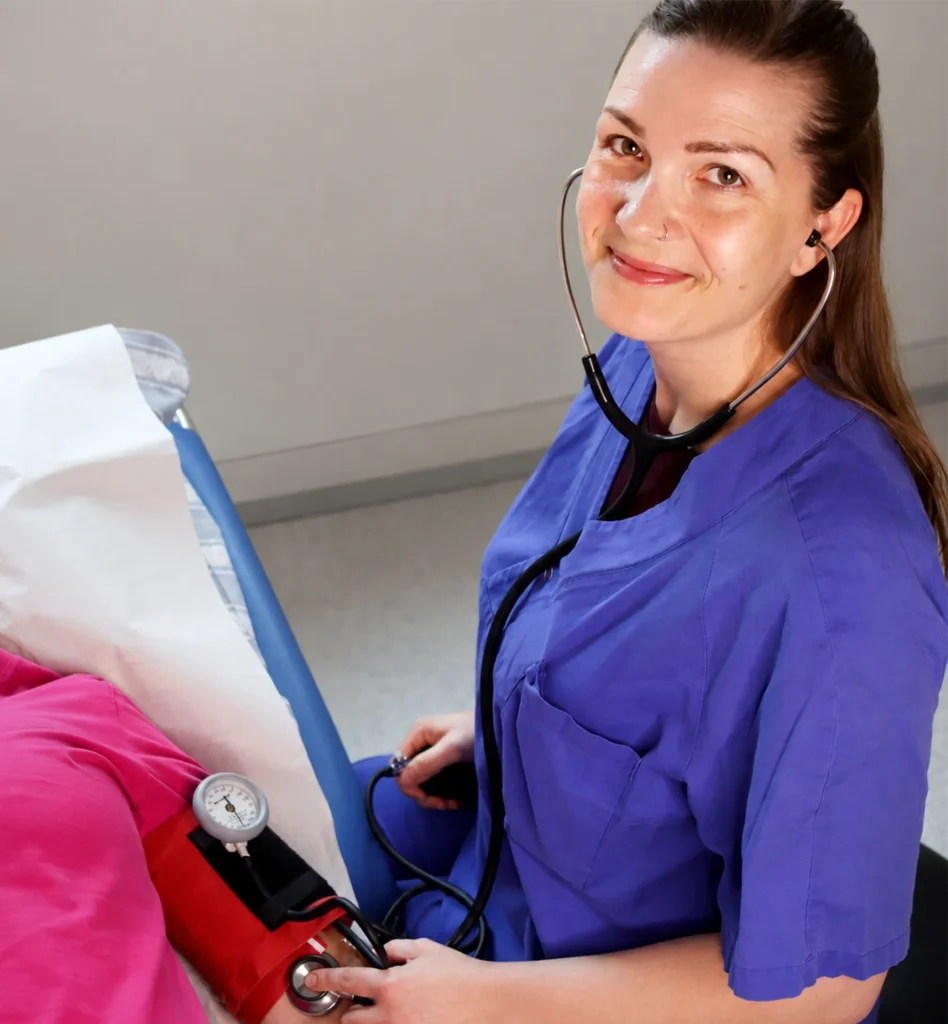
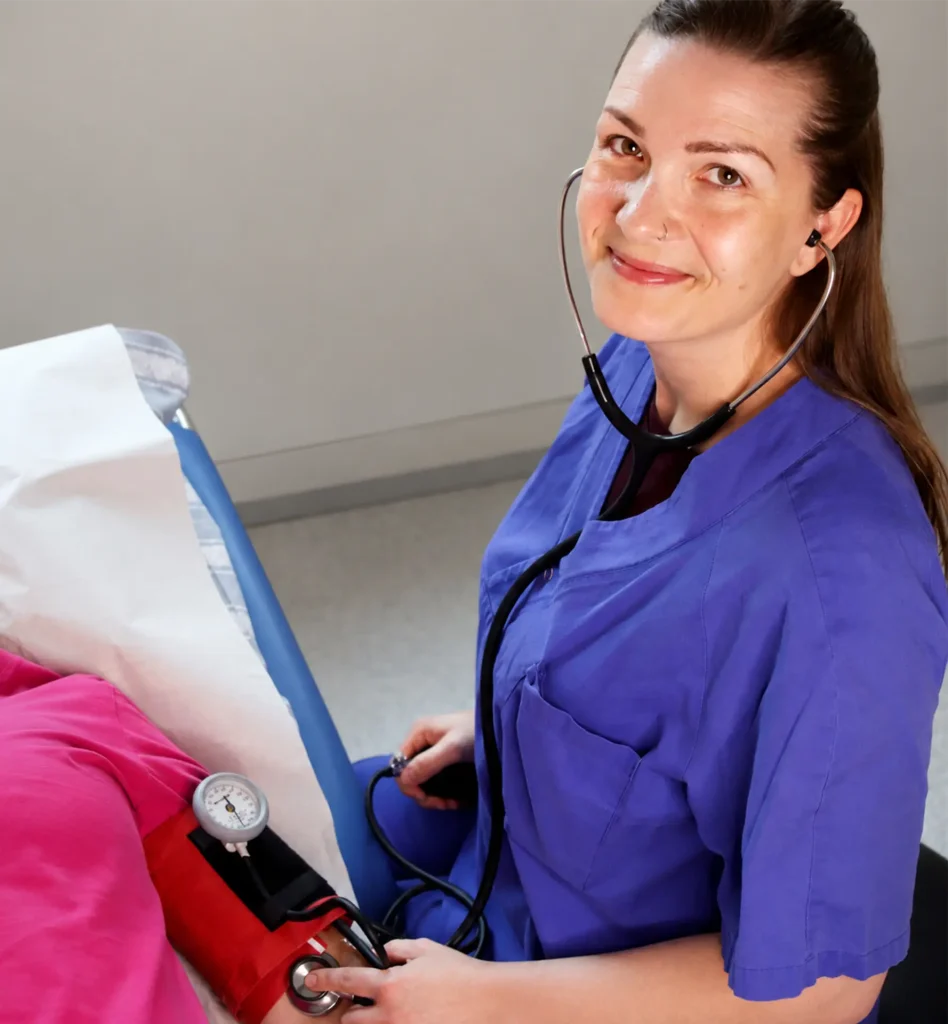
Located within Sahlgrenska University Hospital, our laboratory operates at the interface between fundamental biology and clinical medicine. This environment enables close collaboration between scientists and clinicians and provides opportunities to investigate microbiome biology in well-characterized patient cohorts and clinical intervention studies.
Together, this creates a translational research strategy in which observations in patients and discoveries in the laboratory continuously inform one another.